What must be true for this idea to deserve another week? Write the decision before you build the demo.
Prototype validation guide
Building an AI prototype is a test of the workflow, not the hype.
Use this page to turn a rough AI idea into a working slice: one user, one input, one model route, one interface, one evaluation, and one decision about what to build next.
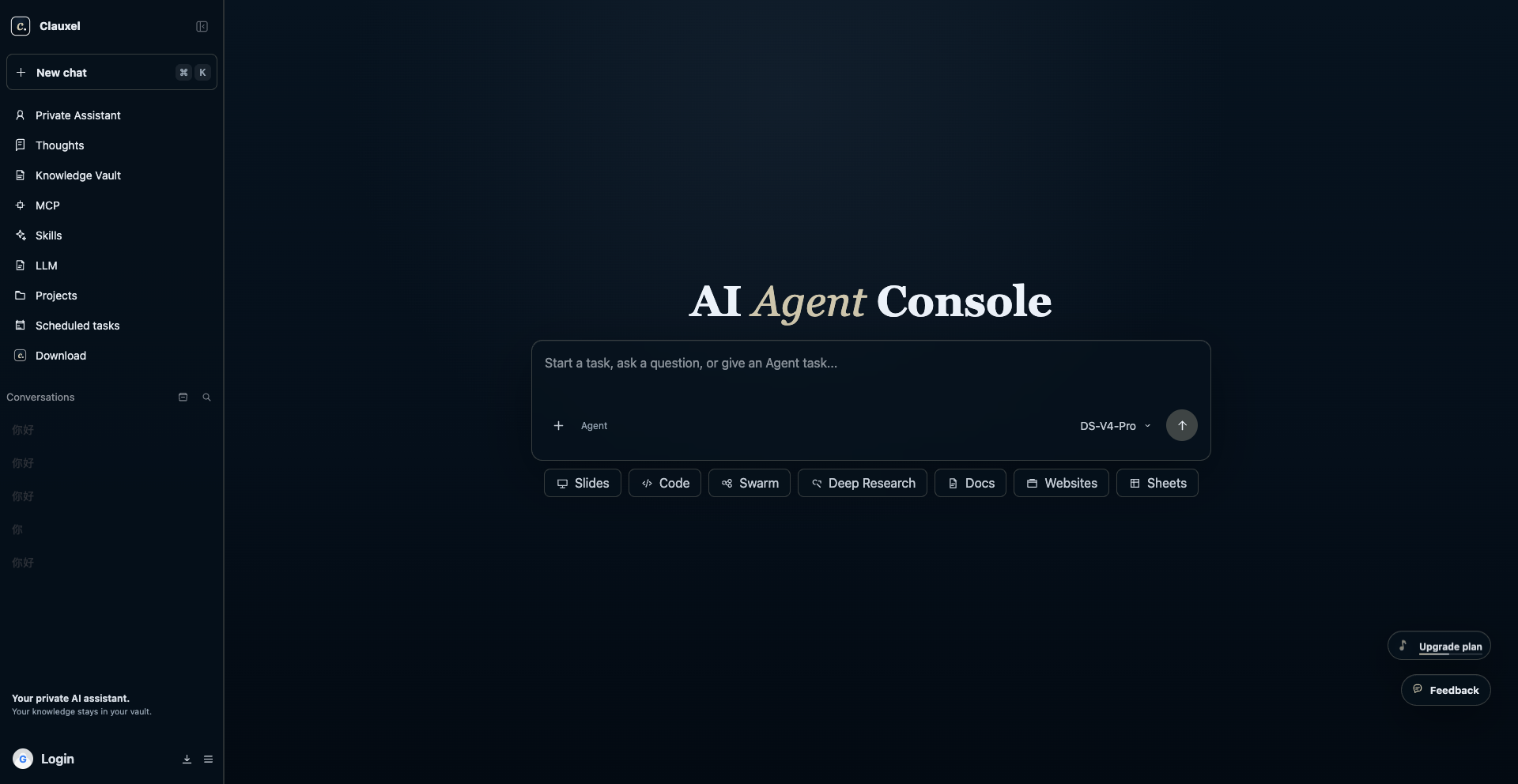
Use one input, one output, one happy path, one edge case, and one reviewer. Anything extra can wait.
Capture example prompts, source material, outputs, failure notes, latency, cost shape, and the exact change request after review.
Decide whether the prototype becomes a feature, assistant, agent, dataset project, or abandoned idea.
Prototype the sharp edge first.
The fastest AI prototype is not the prettiest demo. It is the smallest version that proves whether the model, data, interface, and review loop can support real work.
Pick one user moment
Choose a moment where a person already struggles: classifying a request, summarizing a document, drafting a reply, turning notes into a plan, or checking a release. Do not start with the whole product.
Freeze the input shape
Collect three real-looking examples and one bad example. The prototype should show how the AI handles normal, missing, messy, and out-of-scope input before you add polish.
Use the strongest route first
Start with a capable model to learn the ceiling. Once the output is useful, test cheaper or faster routes. Optimizing before quality exists only hides the real failure.
Build a thin interface
Use a small Coachix console flow, Streamlit, Gradio, or a TypeScript AI SDK route to make the interaction real enough for a human to try. One input and one result view can be enough.
Review with examples
Save the prompt, input, output, reviewer notes, and what changed between versions. A prototype without examples becomes a memory of excitement, not evidence.
Decide the next shape
If the prototype works, choose the next container: assistant, agent, internal tool, workflow automation, or knowledge base. If it fails, write the reason before the idea mutates.
Prototype evidence board
Use the board to decide whether a prototype is ready to become a real Coachix workflow.
| Question | Minimum proof | Do not scale if | Next step |
|---|---|---|---|
| Does the input exist? | Three real or realistic examples are available | Only invented examples pass | Collect source material first |
| Does the model help? | Reviewer prefers the assisted output on a clear task | Output is impressive but not usable | Rewrite the job or drop it |
| Can the interface explain itself? | A new tester knows what to enter and what to do with the result | The operator has to narrate every step | Simplify the screen |
| Can quality be checked? | There is a small repeatable test set | Every judgment is vibes only | Write expected outputs and failures |
| Can it grow safely? | Sensitive actions have review gates | The demo needs blind autonomy to look good | Keep it as a draft assistant |
Run a five-part prototype sprint.
Building AI prototype work should end with a decision, not a prettier demo. Treat the prototype as a one-week evidence sprint that proves whether the model, input, review loop, and interface can support the next build step.
Day one question
Write the decision that the prototype must answer, such as whether a support summary saves review time or whether a release checker catches real errors. Building AI prototype scope starts with the question, not the UI frame.
Input packet
Bring three normal examples, one messy example, and one out-of-scope example. A prototype that only sees invented clean input is measuring imagination instead of the workflow the product will meet.
Model pass
Run the strongest model route first and record what makes the output useful, risky, slow, expensive, or hard to trust. Later optimization makes sense only after the quality ceiling is visible.
Tester pass
Give the thin interface to a reviewer who did not write the prompt. Watch where they hesitate, which output they keep, which output they reject, and whether the screen explains the next action without a narrator.
Promotion memo
Close the sprint with one page: keep as assistant, promote into an agent, build a product feature, collect better data, or stop. The memo protects the team from turning every exciting prototype into a vague roadmap item.
The sprint board keeps building AI prototype work honest because every experiment ends with a product choice. If the prototype needs more data, say that. If the workflow only needs a saved prompt, say that too. The best prototype result is clarity about what deserves production effort, which reviewer owns the next pass, and which evidence must change before another week of build time is justified.
Use the guide with current references.
These references point to the practical pieces behind the page: agent design foundations, tool schemas, durable runtime, quick prototype surfaces, assistant authoring, memory, evaluation, and real builder caution from public communities.
Build an AI prototype for this decision:

Decision to make:
Target user:
One input:
Expected output:
Example cases:
Model route to test first:
Review criteria:
Failure case:
What to measure:
Next build decision:
Prototype traps to avoid.
AI prototypes fail quietly when they prove the wrong thing. Keep the first build anchored to a decision, not a feeling.
Polish before proof
A beautiful wrapper can hide the fact that the output does not change a real decision.
Synthetic-only tests
Invented examples make the model look better than messy real input will.
No owner for review
If nobody marks outputs good, bad, risky, or incomplete, the next iteration is random.
Premature autonomy
A prototype should expose quality before it acts on external systems.
Building AI Prototype: Validate One Workflow First FAQ
Keep the first version specific enough that a visitor can act today, then expand only after examples and review traces prove the workflow.
What should an AI prototype prove?
It should prove whether a model can improve one real workflow with available input, acceptable latency, reviewable output, and a clear next build decision.
Which tool should I use for a quick AI prototype?
Use the thinnest tool that makes the interaction testable: Coachix console for private assistant shape, Streamlit or Gradio for Python demos, or a TypeScript AI SDK route for web product slices.
When should a prototype become an agent?
Only when the workflow needs tool use, state, retries, and review checkpoints beyond a single response. Otherwise, a simpler assistant or AI feature may be enough.
Continue the Coachix build path.
Move between agent development, prototype validation, assistant design, knowledge, tools, skills, and model routing without losing the private workspace boundary.